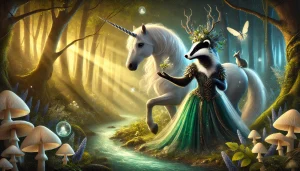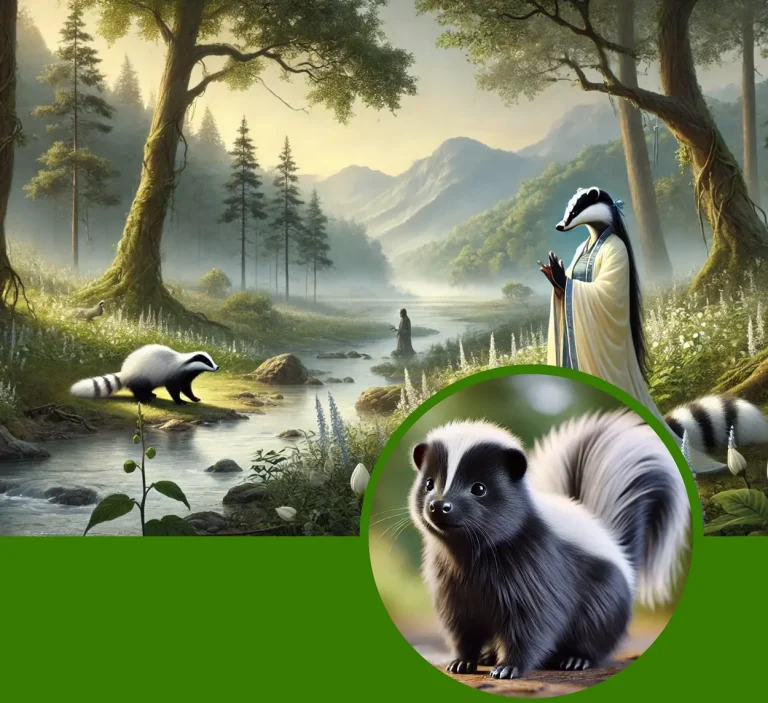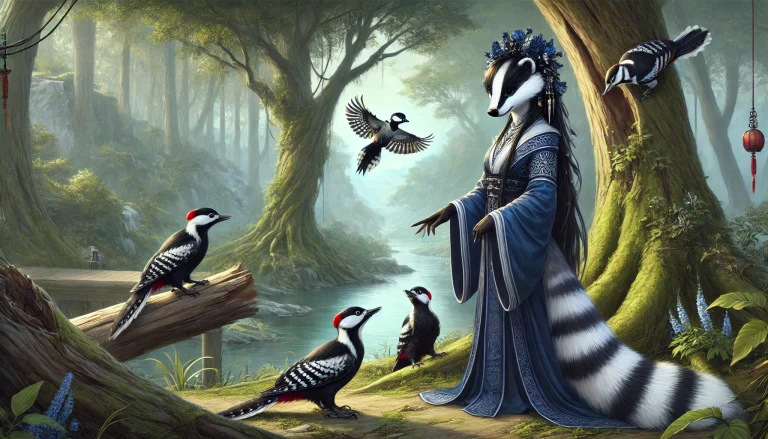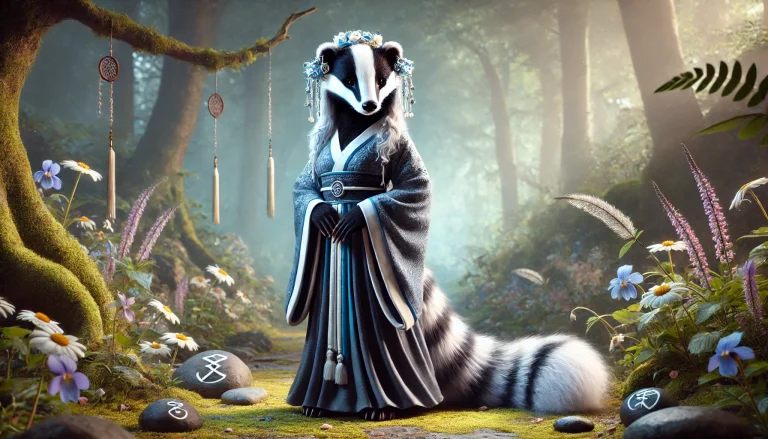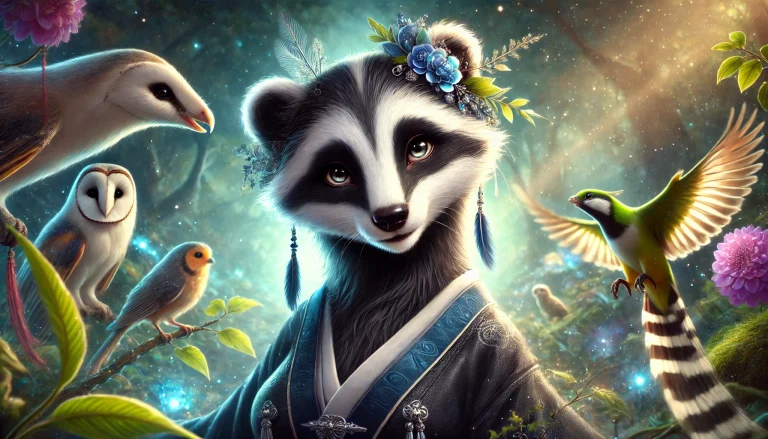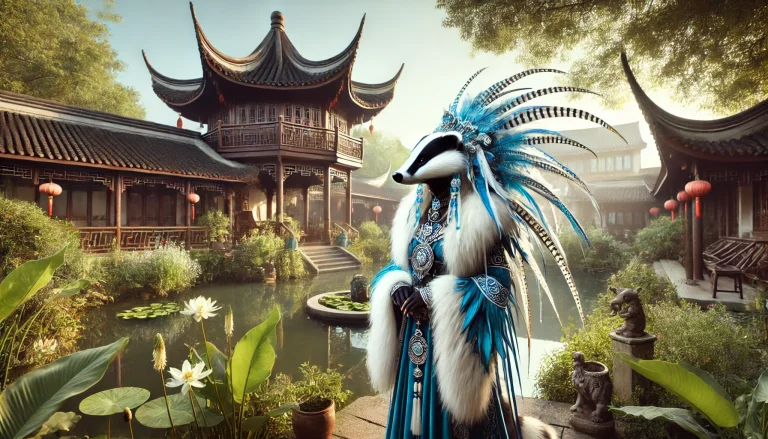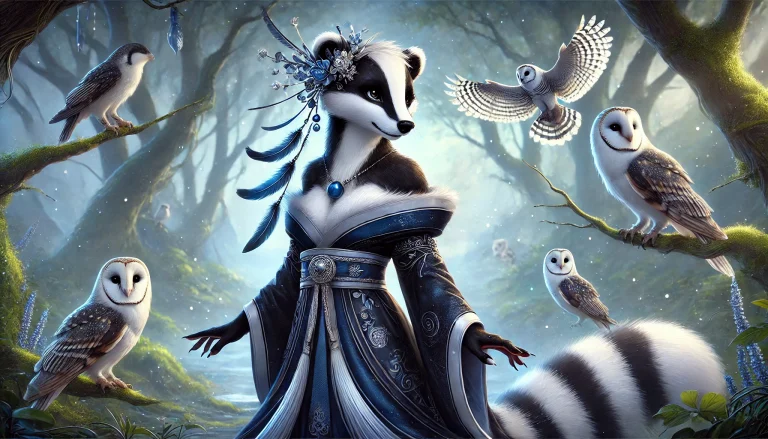
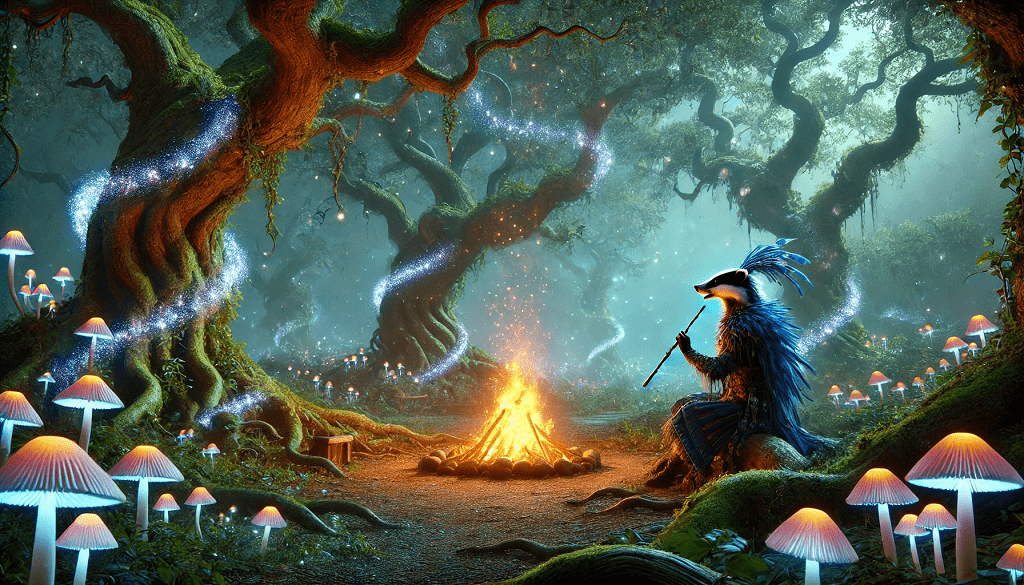
Totems represent one of the oldest and deepest connections between the spiritual and physical worlds. Far beyond simple symbols, they are living manifestations of energy and wisdom, ancestral guardians who guide us through the paths of life with their strength and sacred knowledge.
In various traditions around the world, totems emerge as bridges between the visible and the invisible, offering protection, guidance and unique teachings to those who are called to work with their energies. Each totem animal carries with it not only its physical characteristics, but also a deep spiritual wisdom that can transform our journey of self-knowledge.
This exploration will take us through the mysteries of totems, revealing how they manifest in our lives and how we can recognize and honor our own spiritual guardians. Whether through ancestral practices, contemplative meditations or spontaneous natural connections, we will discover the ways in which totems reveal themselves and choose us as their protégés.
Throughout this article, we will delve into the deep understanding of these sacred beings, learning to recognize their signs, interpret their messages and develop a meaningful and transformative relationship with our totemic guides.
"Totems are living bridges between the natural and spiritual worlds, teachers who guide us through the veils of existence." - Sun Bear
Index
Introduction
Since time immemorial, human beings have sought to understand their connection with nature and the spiritual world around them. One of the oldest and most powerful ways of expressing this connection is through totems and totemic animals. These symbolic representations are more than just images; they are manifestations of deep beliefs, cultural identities and spiritual guides that guide and protect those who revere them. In this article, we will explore the meaning of totems, the importance of totemic animals and how these traditions still influence the spiritual and cultural lives of many people around the world.
What is a Totem?
The concept of a totem has its roots in the indigenous traditions of various parts of the world, especially in the cultures of the native peoples of North America. A totem is essentially an object, being or symbol that represents a group of people, usually a tribe or clan, and serves as an emblem of collective identity. Totems can be representations of animals, plants, or even natural forces, which are believed to possess spiritual qualities or powers that guide and protect the group.
Totems are not just symbols of identification; they carry deep meanings that are linked to the histories, mythologies and beliefs of a people. For example, a clan may believe that it is descended from a particular totem animal, which gives the totem a central role in the spirituality and religious practices of that group.
In addition, totems can also be individual, where a specific person adopts a totem as their spiritual guide. This totem, often an animal, is chosen based on characteristics that the person shares or aspires to develop. By connecting with their totem, the person seeks guidance and strength to face life's challenges.
Totemic Animals
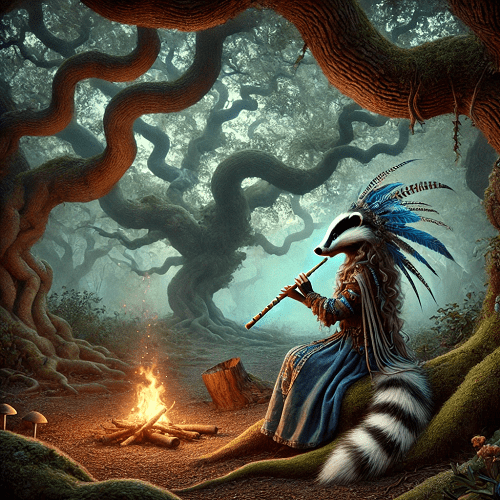
Totemic animals are spiritual beings that represent the essence and characteristics of a particular animal, acting as guides and protectors for individuals or groups. Each totemic animal carries with it a set of qualities, strengths and teachings that reflect the energies and challenges faced by those who identify with it.
The Role of Totemic Animals
In many cultures, it is believed that totemic animals accompany people from birth, influencing their personalities, behaviors and life paths. They can appear in dreams, visions or moments of introspection, offering spiritual guidance and helping to overcome obstacles.
Totemic animals are also seen as mediators between the physical and spiritual worlds. They not only reflect aspects of human nature, but also represent a person's direct link with the animal kingdom and the wisdom it offers. By connecting with their totem animal, a person seeks to align their actions and decisions with that animal's qualities and teachings.
Examples of Totemic Animals and their Meanings
Here are some common examples of totem animals and what they usually represent:
- Wolf: The wolf is often associated with loyalty, intuition and group spirit. It is a symbol of intelligence, strong communication and a deep connection with instinct.
- Eagle: The eagle symbolizes clear vision, courage and spiritual power. It represents the ability to see things from a high perspective and the capacity to overcome challenges.
- Bear: The bear is a symbol of strength, protection and introspection. It is also linked to healing and the cycle of life, and is a powerful guide in times of personal transformation.
- Owl: The owl is seen as a symbol of wisdom, mystery and perception beyond appearances. It is often associated with occult knowledge and the ability to see the truth.
- Fox: The fox is known for its cunning, adaptability and mental agility. It teaches the importance of being flexible and creative in the face of challenges.
These are just a few examples, but there are many other totemic animals, each with its own set of meanings and lessons. The choice of a totem animal can be based on personal affinity, life experiences or spiritual revelations.
Totemism in Different Cultures
The concept of totemism is universal and can be found in many cultures around the world. Although the representations and interpretations of totems vary, the essence remains: a deep respect for and connection with the natural and spiritual world.
Totemism in North American Indian Cultures
Among the indigenous cultures of North America, totems are particularly significant. Tribes such as the Haida, Tlingit and Kwakiutl, among others, carve totems into large tree trunks, creating the well-known "totem poles" (or totem poles). These totems are not only works of art, but also visual narratives that tell the stories of clans, lineages and ancestral myths. Each figure on the pole represents a totem animal or an important symbol, reflecting the identity and beliefs of the clan.
Totemism in Africa
In many African cultures, totemism also plays a vital role. Many tribes and clans have totem animals that are considered ancestors or spiritual guardians. These animals are revered and protected, and killing or harming a totem animal is considered a serious taboo. Totemism in Africa is deeply linked to group identity and the preservation of cultural traditions.
Totemism in Australian Aborigines
For the Aboriginal peoples of Australia, totems are at the heart of their cosmology and religion. Each person has a totem which is a symbol of their connection with the "Dreamtime", the mythological period in which the ancestors created the world. Totems not only identify individuals and clans, but also connect people to the territory, to nature and to their ancestors. The Aborigines believe that every living thing, be it animal, plant or natural element, has a spirit and a purpose, and totems are the expression of this sacred relationship.
Totemism in Other Cultures
Although totemism is best known in the cultures mentioned, it also appears in other parts of the world. In some Asian cultures, totems are used in shamanic practices to connect with nature spirits. In Europe, before Christianization, many Celtic and Germanic peoples had belief systems that included totemic animals.
In all these cultures, totemism represents a way of understanding and interacting with the world around us, offering an integrated view of life, where the spiritual, the natural and the human are interconnected.
Spiritual Meaning of Totems
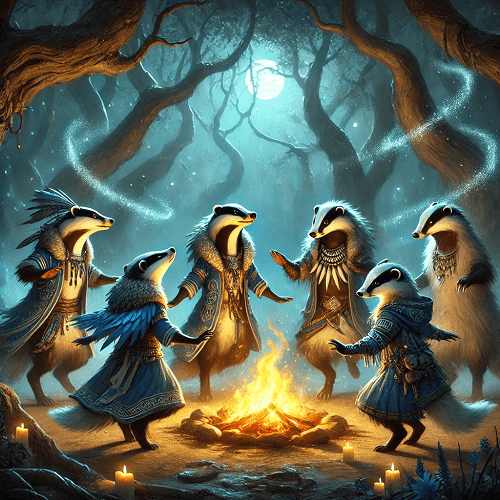
Totems are not just cultural symbols or clan identifiers; they carry a deep spiritual meaning. In many traditions, totems are seen as guardians, protectors and guides who help people connect with the spiritual world and better understand their life journey.
Totems as Spiritual Guardians
Totems are often seen as entities that protect and guide those under their influence. They are seen as ancestral spirits or manifestations of natural forces that offer protection from danger and guidance in times of uncertainty. By honoring the totem, whether through rituals, meditation or art, people seek to strengthen this spiritual connection and ensure that they are aligned with the path their totem represents.
Totems and the Connection with Nature
Totems also represent the interconnection between human beings and nature. Each totem, especially totemic animals, symbolizes a facet of nature that holds valuable lessons for those who identify with it. For example, a person who has a wolf as a totem can learn about the importance of community and cooperation, while someone with an eagle as a totem can be encouraged to develop their vision and insight.
This spiritual connection with nature is fundamental to many shamanic practices, where the shaman acts as an intermediary between the human world and the realm of the spirits. The totem serves as a bridge that allows the shaman to access knowledge, power and wisdom that lies beyond the physical plane.
The Process of Choosing and Discovering a Totem
Identifying and choosing a totem is not just a matter of personal preference; it is a deep spiritual process that can involve meditation, dreams, rituals or the guidance of a spiritual mentor. In some cultures, the totem is determined by the clan or family to which the person belongs, while in others, it is something that must be discovered throughout life.
Many people report that their totem appears to them in moments of crisis or change, offering guidance when they need it most. This process of discovery is seen as a journey of self-knowledge, where the person learns to integrate the qualities and lessons of the totem into their daily life.
Totems as Reflections of Spiritual Identity
Totems also serve as reflections of a person's spiritual identity. They represent not only the characteristics someone possesses, but also those they must cultivate or understand. For example, one person may have a bear as their totem because they need to learn about the importance of introspection and self-care, while another with a fox totem may need to develop their intelligence and ability to adapt.
In short, totems are spiritual guides that help people connect with their inner essence, nature and the spiritual world. They provide guidance, protection and a deep sense of belonging in a larger universe.
Antitotem
The role of the Antitotem
In addition to the totem, many spiritual and esoteric traditions also recognize the concept of the "antitotem" or "totemic shadow". While the totem represents the strengths and qualities that guide and protect, the antitotem symbolizes the challenges, weaknesses or negative aspects that a person must face and overcome throughout life.
The antitotem can be seen as a representation of the inner shadows, those parts of the psyche that are often repressed or ignored, but which need to be confronted in order to achieve complete spiritual growth. For example, a person whose totem is a lion, representing courage and leadership, may have as their antitotem an animal that symbolizes fear or indecision, highlighting the aspects of the personality that need to be worked on.
Confronting Antitotem
Confronting and integrating the antitotem is an essential process for spiritual development. Rather than being a purely negative force, the antitotem offers an opportunity for self-knowledge and transformation. By recognizing and working with the qualities that the antitotem represents, a person can transform weaknesses into strengths and achieve a deeper balance between light and shadow, or between "being" and "having".
This process of integrating the antithesis can be similar to what Carl Jung called "shadow integration" - where you recognize and accept the hidden or unwanted parts of yourself, leading to a state of wholeness and inner harmony.
How to Identify Your Totemic Animal
Identifying your totem animal is a personal and spiritual journey that can reveal deep insights into your personality, challenges and life purpose. This process can take place in various ways, depending on the spiritual, cultural or esoteric traditions you follow.
Traditional Methods for Identifying the Totemic Animal
In many indigenous cultures, the totem animal is identified through rituals and ceremonies conducted by elders or shamans. These spiritual leaders have the knowledge and experience necessary to interpret signs, dreams and visions that indicate which animal serves as a person's spiritual guide. These rituals can involve meditation, fasting or taking part in ceremonies that connect the individual with nature and the spirit world.
Dreams and Visions
Dreams are a powerful way of discovering your totem animal. Many people report that their totem animals manifest during sleep, appearing repeatedly in dreams with profound meanings. These dream experiences are often seen as messages from the unconscious or the spirit world, guiding the dreamer to recognize and connect with their totem.
In addition to dreams, visions or moments of intense intuition can also reveal your totem animal. These can occur during meditation, in a trance state or even in moments of deep connection with nature.
Intuitive Connection and Affinity
Sometimes the identification of a totem animal can be based on a natural affinity or intuitive attraction to a particular animal. If you feel deeply connected to a specific animal, either through its behavior, appearance or the qualities it represents, this may be a sign that this animal is your totem.
Observing how you react emotionally and spiritually to the presence of certain animals in nature or how you feel about representations of them in art, literature or popular culture can also offer clues about your totem animal.
Exploring Meaning and Integration
Once you have identified your totem animal, the next step is to explore the spiritual and personal significance of this animal in your life. This involves studying the qualities, behaviors and symbolism associated with the animal and reflecting on how they apply to you.
Integrating the totem animal into your life can happen in various ways: through meditation, keeping images or representations of the animal in your home, or even by adopting behaviors and attitudes that reflect the qualities of the totem. The aim is to allow the totem animal to guide your personal and spiritual growth, helping you to face challenges, strengthen your abilities and achieve a more balanced and conscious life.
Conclusion
Totems and totemic animals are more than just cultural symbols; they are manifestations of a deep connection between the human being, nature and the spiritual world. By identifying and working with your totem, you can access a powerful guide that offers protection, wisdom and a greater understanding of yourself. In addition, recognizing and confronting your antitotem is an opportunity for growth and transformation, allowing you to achieve a deeper balance between your lights and shadows.
Totems remind us of the interconnectedness of all life and the spiritual power that resides in every being. By honoring this tradition, we connect with something greater than ourselves, strengthening our spiritual identity and our place in the world.

I'm passionate about magic and spirituality, always looking for new knowledge about rituals, energies and the mystical universe. Here, I share magical practices and spiritual tips for those who want to connect more deeply with themselves and the world around them, all in a light and accessible way.