The solstices and equinoxes have always played a central role in various cultures around the world. These moments of transition, marking the beginning of new seasons, represent the balance between light and dark, growth and rest. From ancient Celtic traditions to shamanic practices, many civilizations have seen these cosmic events as an opportunity to perform rituals, honour their gods and reconnect with nature. In this article, we'll explore how different ancient traditions celebrated and understood the solstices and equinoxes, and how these cycles of nature influenced their customs and spirituality.
Index
What are Solstices and Equinoxes?
The solstices e equinoxes are astronomical events that mark key moments in the Earth's annual cycle around the Sun, defined by the tilt of the Earth's axis in relation to the Sun. However, it is important to note that these dates vary slightly each year and occur at different times in the northern and southern hemispheres.
Solstices
They occur twice a year and mark the longest and shortest days of the year. O Summer Solstice occurs when the Sun reaches its highest position in the sky, resulting in the longest day of the year. The Winter Solstice marks the shortest day and the longest night, when the Sun is in its lowest position. In the northern hemisphere summer solstice occurs around June 21 and the winter on December 21st. In the southern hemisphere, these dates are reversed: the summer solstice takes place around December 21 and the winter around June 21st.
Equinoxes
They also occur twice a year and are the times when day and night have the same duration. O Spring Equinoxin the northern hemisphere, occurs around March 20 and marks the beginning of the season of growth and renewal. O Autumn Equinox takes place around September 23rd, indicating the harvest period and preparation for winter. In the southern hemisphere, these dates are reversed: the spring equinox takes place around September 23rd and the fall around March 20th.
Although many ancient religious traditions have been lost over time, the solstices and equinoxes are still celebrated in many parts of the world, often incorporated into cultural and religious festivities:
Winter Solstice
In Europe, the Yule is an ancient Nordic celebration that still inspires modern festivals such as Christmas. In South America, indigenous communities celebrate the Inti Raymian Inca festival in honor of the Sun god. In China, the Dongzhi celebrates the solstice as a time of family renewal.
Summer Solstice
In Scandinavia, the Midsommar is one of the biggest celebrations of the summer solstice, with dancing and outdoor festivities. O St. John's Festivalin Brazil and Portugal, also carries echoes of this ancient reverence for the summer solstice, with bonfires and community celebrations.
Spring Equinox
O Ostara, a pagan celebration associated with the rebirth of life, is still celebrated by neo-pagans and Wiccans. In Japan Shunbun no Hi celebrates the harmony between light and darkness and involves rituals of respect for the ancestors. O NowruzThe Persian New Year also coincides with the spring equinox, marking the beginning of a new cycle.
Autumn Equinox
The festival Mabon is celebrated by practitioners of neo-pagan traditions as a spiritual harvest. In China Moon Festival, or ZhongqiuIt takes place close to the fall equinox and is a time of gratitude and celebration of abundance.
These astronomical events, with no fixed dates, have been observed and celebrated by cultures around the world, inspiring rituals and festivals that honor the cycles of nature and the transition between seasons.
Celts
The Celts had a deep connection with nature, and the solstices and equinoxes were sacred moments in their spiritual calendar. For them, these events marked the change of seasons and symbolized the cycle of life, death and rebirth.
Solstices:
Yule (Winter Solstice)
Celebrated in December, Yule was a festival of hope, symbolizing the return of light after the darkest period of the year. The Celts believed that the sun rose again at this time, bringing with it promises of renewal and new beginnings. The festival involved lighting bonfires and candles to "help" the sun regain its strength, as well as decorating trees with symbols of life.
Litha (Summer Solstice)
The summer solstice, or LithaIt celebrated the peak of sunlight and the growth of nature. It was a time of vitality and prosperity, when the power of the sun was at its peak. Outdoor festivities, river baths and offerings to nature were common, celebrating the fertility and abundance of the earth.
Equinoxes:
Ostara (Spring Equinox)
This festival celebrates the perfect balance between light and darkness, when day and night are of equal length. Ostara marks the beginning of spring, a time of rebirth and growth. For the Celts, it was a time to plant seeds, both physical and spiritual, and prepare the land for the future harvest. Many of Ostara's symbols, such as eggs and hares, are associated with fertility and renewal.
Mabon (Autumn Equinox)
On the fall equinox, Mabon, the Celts celebrated the second harvest, thanking the earth for the fruits obtained. This festival represented the beginning of the preparation for winter, with the storage of food and the care of reserves. Mabon was also a time of balance, reflection and thanksgiving, when the Celts expressed gratitude for all that nature had provided.
Celtic rituals
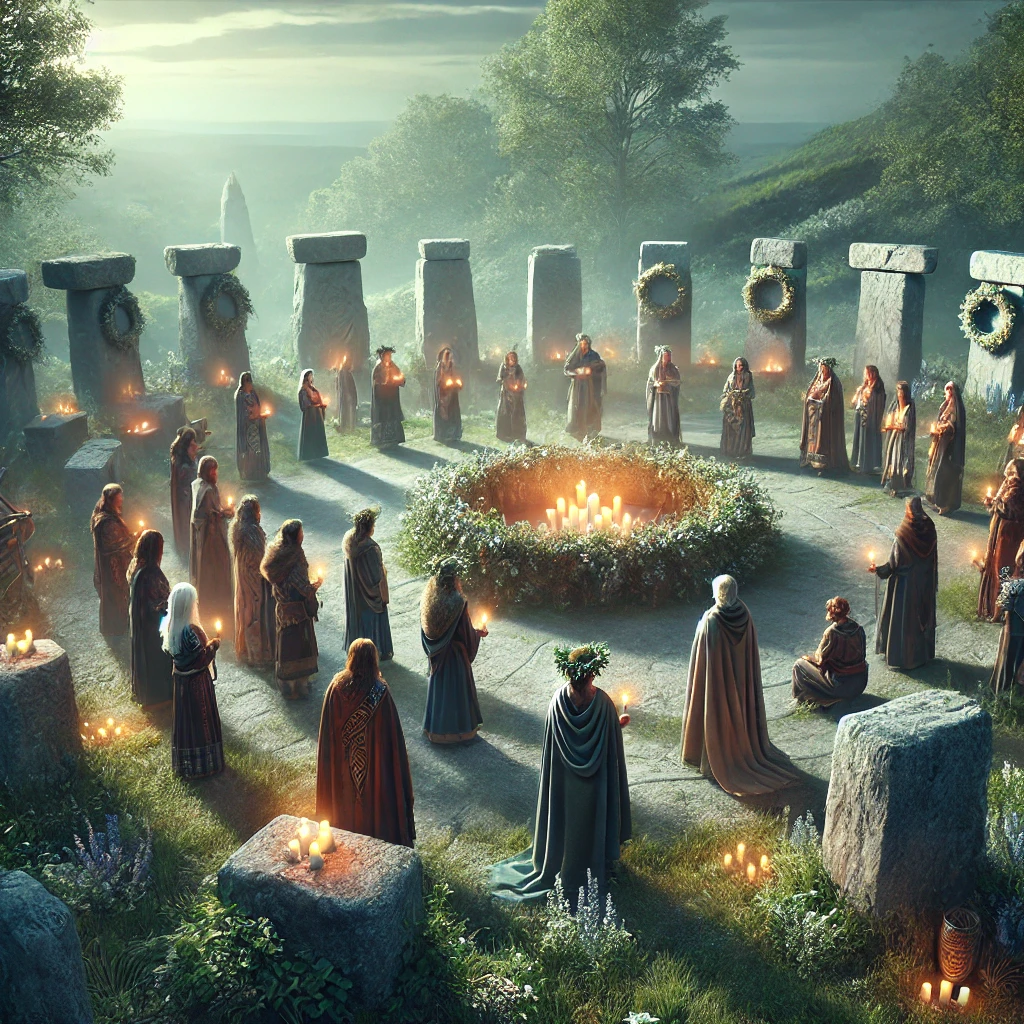
The Celts saw the solstices and equinoxes as spiritual portals, where the veil between the worlds became thinner, allowing for a greater connection with the gods and ancestral spirits. At these times, they performed rituals in stone circles and other sacred places, using fire, water and elements of nature to celebrate the cycles of life and death, honor their gods and seek blessings for the community.
Solstices and Equinoxes in Chinese Tradition
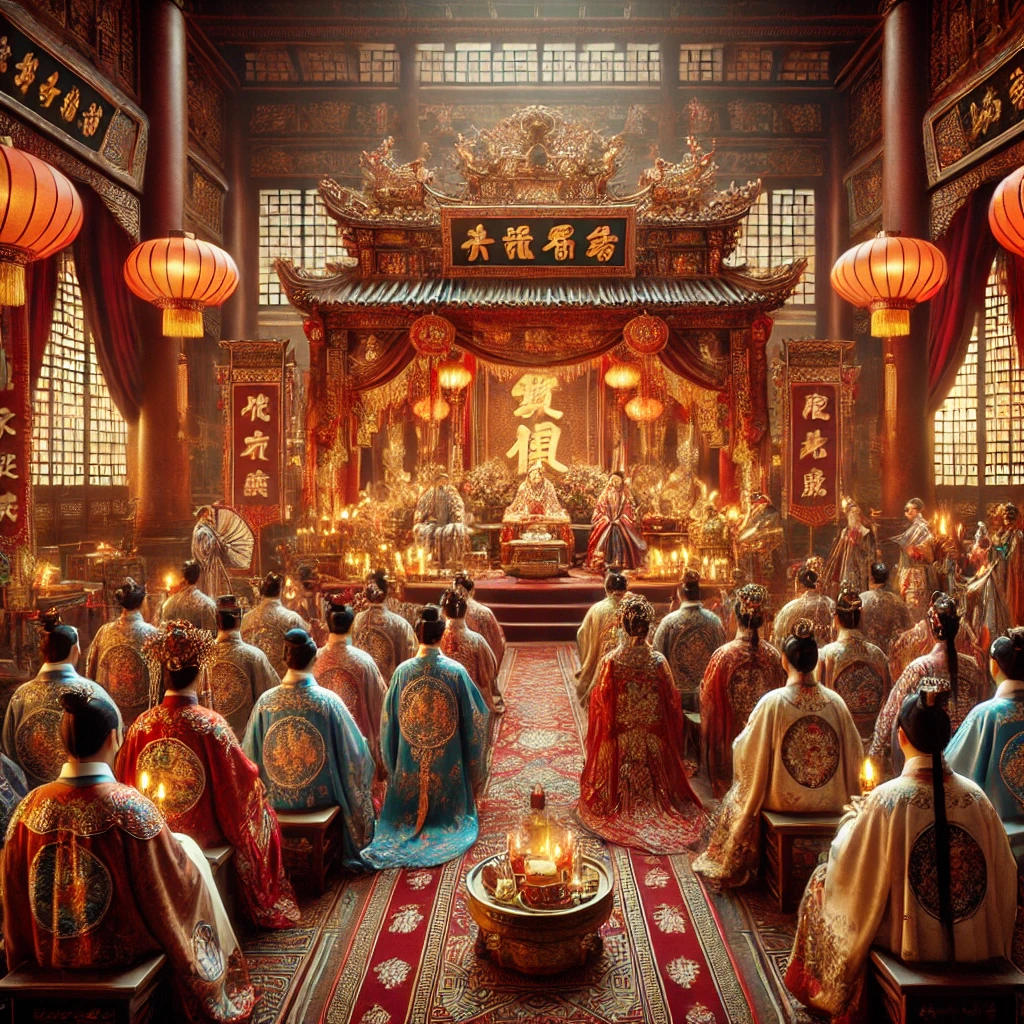
In China, the solstices and equinoxes have great cultural and spiritual importance, and many of these astronomical events are deeply linked to the cycle of nature and family traditions. The Chinese observe these periods as moments of balance and renewal, as well as opportunities to strengthen family and ancestral ties.
Winter Solstice - Dongzhi (冬至)
Celebrated in December, the Dongzhi is one of China's oldest festivals, with over 2,500 years of tradition. The winter solstice marks the moment when the energy of yin (darkness and cold) reaches its peak, and the energy of yang (light and warmth) begins to return. During this festivity, families come together to share a special meal, with traditional dishes such as the tangyuanrice balls that symbolize unity and prosperity.
Summer Solstice
Although not as widely celebrated as the winter solstice, the summer solstice is also important in Chinese culture, marking the peak of yang energy. In ancient times, it was a time to celebrate the harvest and be grateful for the fruits of the earth. Nowadays, some Chinese hold small ceremonies to honor the balance between yang and yin, taking the opportunity to spend time outdoors and celebrate nature's abundance.
Spring Equinox - Chunfen (春分)
The spring equinox, known as the Chunfenis a time of renewal and balance, and marks the beginning of the planting season in China. During this period, there are rituals to honor the ancestors and give thanks for the harvests to come. In addition, the spring equinox is also associated with the return of life and the awakening of nature, reflecting the changes from yin to yang.
Autumn Equinox - Qiufen (秋分)
O Autumn Equinox, or Qiufensymbolizes the balance between light and darkness. This event is celebrated through Moon Festivalalso known as Zhongqiuwhich takes place around this time. The festival involves family gatherings, offerings to the moon, and the consumption of the famous mooncakes, which symbolize family unity and good luck. The festival also marks a period of gratitude for the fall harvest.
Solstices and Equinoxes in Shamanism
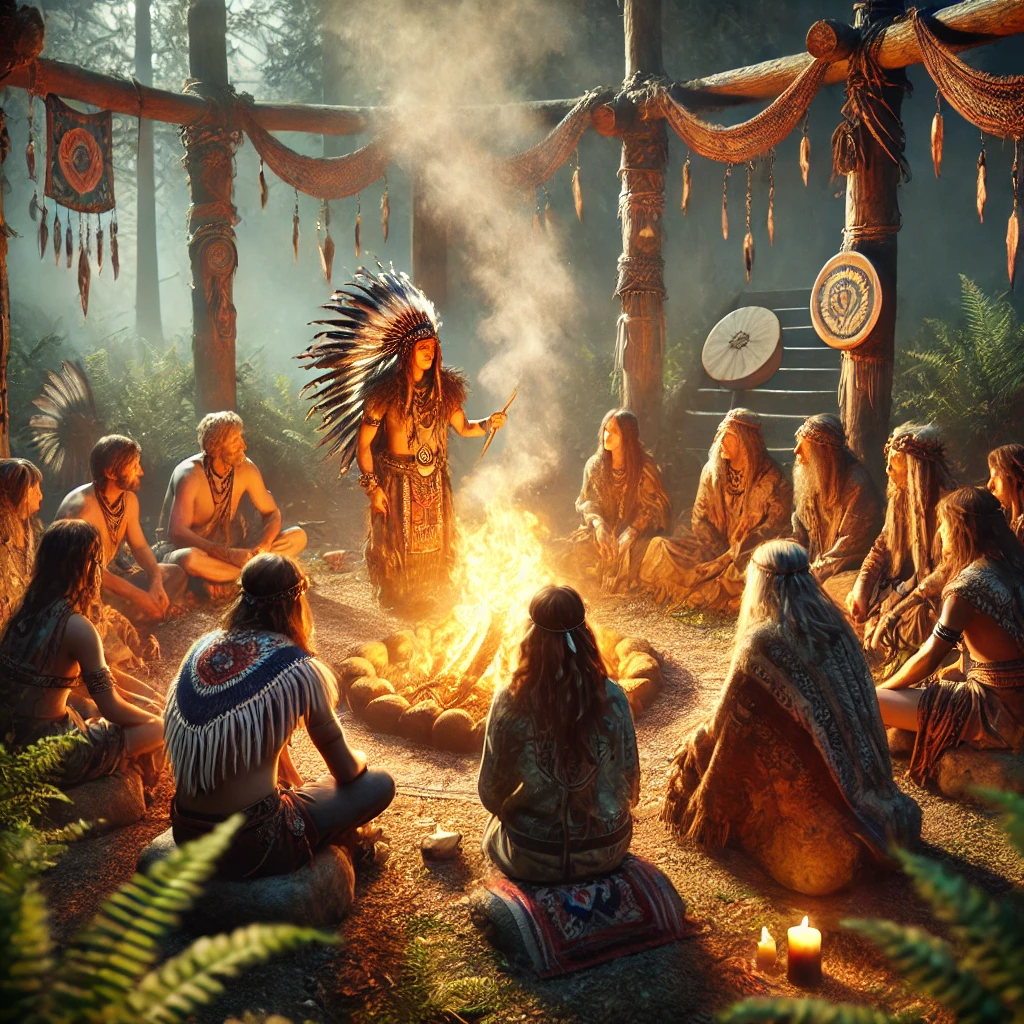
In Shamanism, the solstices and equinoxes are deeply sacred moments, considered portals of transformation and spiritual connection. Shamans around the world, from different traditions, see these dates as occasions to renew ties with the spirit world, honor the cycles of nature and seek inner balance. The Earth, the Sun, the Moon and the stars are seen as spiritual beings with whom one can interact, and shamans use these cosmic events as opportunities to align human energy with cosmic energy.
Winter Solstice
This moment, which marks the shortest day and longest night of the year, is seen by shamans as a time of recollection, introspection and spiritual renewal. Shamans from many traditions hold ceremonies involving fire and meditation to celebrate the return of light and the rebirth of life. Fire is a fundamental symbol, representing the rebirth of the Sun and of life. In the Northern Hemisphere, this is a time to honor the ancestors and reflect on the past year, preparing for the new cycle to come.
Summer Solstice
The peak of light at the summer solstice is celebrated as a time of abundance and spiritual power. In many shamanic traditions, outdoor rituals are performed, thanking the Earth for the fruits it offers. It is a period of high energy, where shamans perform rituals to celebrate life, growth and the connection between all beings. O SundanceA ceremony of great importance to the native peoples of North America, it is performed by various tribes during this period, symbolizing sacrifice and renewal.
Spring Equinox
For shamanism, the spring equinox is the moment when the Earth awakens from its winter sleep. It symbolizes the balance between the forces of darkness and light. Rituals are performed to honor this rebirth, often focusing on the fertility of the earth and healing. Spiritual journeys during this period seek harmony with the new cycles of growth, both in nature and in spirit. Shamans from different traditions may hold symbolic planting ceremonies, where intentions are sown for the future.
Autumn Equinox
This is harvest time, both literal and spiritual. In shamanism, the fall equinox represents gratitude for abundance and preparation for the challenges of winter. Ceremonies of gratitude are held for the Earth, and many shamans perform rituals of purification and reflection, preparing for the time of introspection that comes with winter. During this period, shamans may also conduct spiritual journeys to explore and understand the learnings of the year.
These events are more than just seasonal transitions; they are times to realign life with the rhythms of the Earth and seek out ancestral wisdom. Shamanism understands the solstices and equinoxes as moments to connect with the cosmic cycles and the spirit of the Earth, nourishing the spiritual and physical balance of human beings.

Solstices and Equinoxes in Mayan Culture
The Mayans developed an impressive calendar and an architecture deeply linked to the solar cycles. They believed that the solstices and equinoxes were moments of spiritual renewal, and these events were observed with great precision.
Spring Equinox in Chichén Itzá
A pyramid of KukulkánThe pyramid at Chichén Itzá is one of the most fascinating examples of how the Mayans observed the equinox. During this event, shadows create the image of a snake descending the steps of the pyramid, symbolizing Kukulkánthe serpent god. This was seen as a sign of the renewal of life and the fertility of the earth.
Winter Solstice and the Mayan Calendar
For the Mayans, the winter solstice represented the rebirth of the Sun. This event was synchronized with their solar calendar, the Haab'and was essential for predicting the agricultural seasons. The dates were marked with rituals and offerings to the gods to ensure prosperous harvests.
Cenotes and Rituals
In addition to the architectural alignments, cenotes (natural water wells) were also important during the solstices and equinoxes and were used in rituals to invoke Chaacthe god of rain, and to strengthen the connection with the underworld.
Solstices and Equinoxes in Inca Culture
The Incas considered the Sun to be a supreme deity, IntiThe solstices were times of worship and spiritual renewal, representing the balance between heaven and earth.
Inti Raymi - The Festival of the Sun
O Inti Raymi was the main celebration of the Incas, held on the winter solstice (June 21 in the Southern Hemisphere). On this day, animal sacrifices were made to honor Inti and give thanks for the sunlight. The public ceremonies included dances and offerings, with the participation of the emperor, the Sapa Inca.
Sacred Architecture and Alignments
Monuments such as the Intihuatana in Machu Picchu were aligned with the Sun during the solstices, serving as solar observatories. These structures allowed the Incas to predict changes in the seasons and plan their agricultural activities.
Rituals and Sacrifices
During Inti Raymi, in addition to animal sacrifices, purification ceremonies were held, symbolizing the renewal of the solar cycle and the continuity of the empire. Human sacrifices, such as the CapacochaThis happened in times of great crisis.
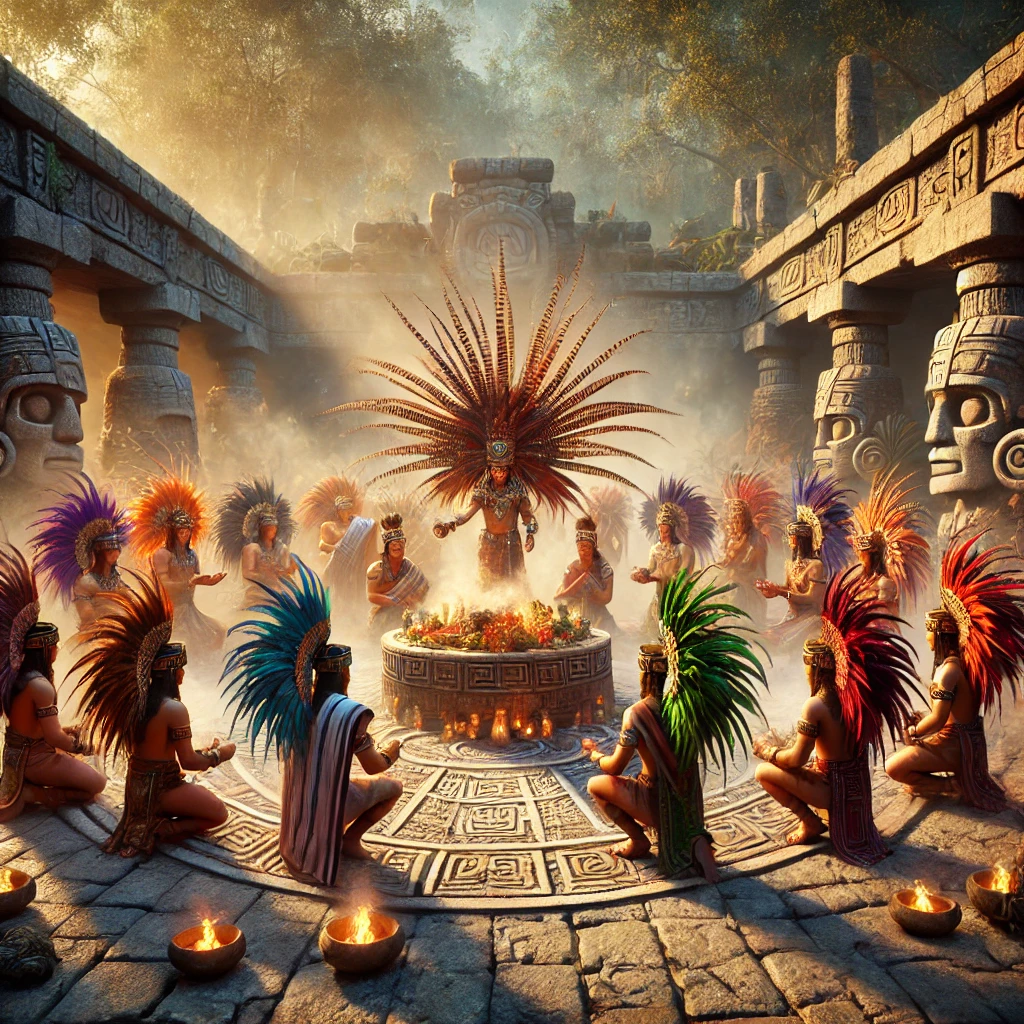
Solstices and Equinoxes in Aztec Culture
For the Aztecs, the solstices and equinoxes were times of sacrifice and renewal. They believed that these events were necessary to feed the gods and ensure the continuity of the world.
The Great Temple and the Winter Solstice
O Major Temple in Tenochtitlán was built with precise alignments to the winter solstice. On the shortest day of the year, the sun rose between the temple's two towers, symbolizing the rebirth of the sun god and war, Huitzilopochtli.
Human sacrifices
During the solstices and equinoxes, human sacrifices were performed to ensure that the Sun continued to shine. The hearts of sacrificed victims were offered to the Sun, in the belief that this would renew the world and keep the cosmos in balance.
Xiuhmolpilli - The Binding of the Years
This event took place every 52 years, when the two Aztec calendars synchronized. During this celebration, the Aztecs feared that the world might end, and performed intense sacrifices to ensure the continuity of the solar cycle.
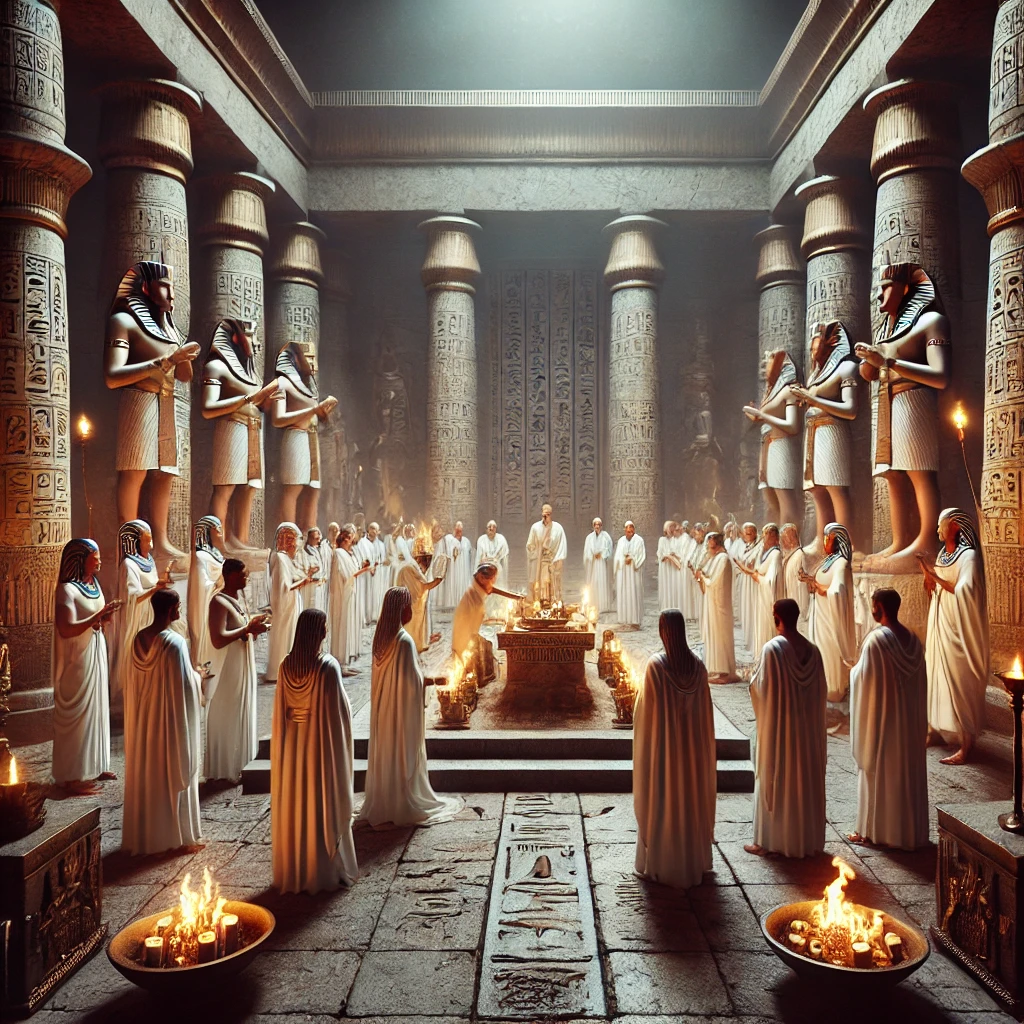
Solstices and Equinoxes in Egyptian Culture
The ancient Egyptians had a strong connection with the solar cycle, and the Sun was worshipped as the god Rawho was seen as the creator of all things and responsible for maintaining order in the cosmos. Although the solstices and equinoxes were not celebrated with as much emphasis as in other cultures, the Egyptians aligned their temples and rituals with the movements of the Sun and its seasons.
Temples Aligned with the Sun
Many Egyptian temples were built with precise alignments for the Sun on specific dates, such as the winter or summer solstice. One example is the Temple of Karnakwhere the sun rises directly between the columns during the summer solstice, marking the annual cycle and symbolizing the divine power of Ra renewing life.
Summer Solstice and the Arrival of the Nile Flood
The summer solstice (June) coincided with a crucial event for the Egyptians - the beginning of the flooding of the River Nile, which brought fertile land for agriculture. This event was associated with the return of the goddess Isiswho was mourning the death of her husband, Osirisand their tears made the Nile overflow. The festival Wepet-RenpetThe Egyptian New Year marked this time of rebirth and fertility.
Funeral Rites and the Sun
The Egyptians believed that the pharaohs became one with Ra after death, sailing with him in the solar boat through the sky. The pyramids, especially the Great Pyramid of GizaThe tombs of the pharaohs had solar alignments that symbolized this spiritual journey. The tombs of the pharaohs were oriented towards the sun, reinforcing the idea of rebirth and life after death, connecting the solar cycle to eternity.
Mythology and the Solar Cycle
Ra's daily journey in the sky was also seen as a metaphor for the cycle of life and death. He was born each morning (sunrise), fought against the forces of chaos (during the day), died at night (sunset), and was reborn at dawn. The Egyptians saw this cycle as a representation of rebirth and the constant renewal of life.
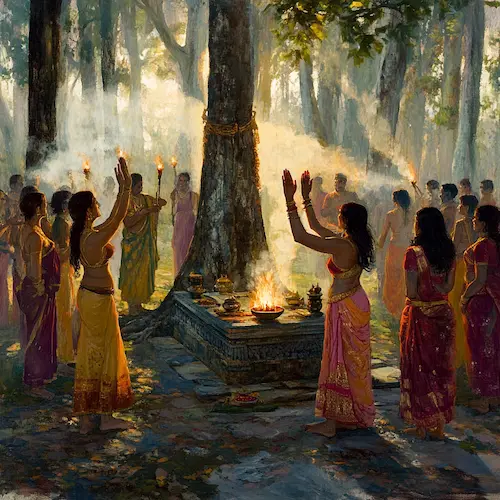
Solstices and Equinoxes in Hinduism
In Hinduism, the solstices and equinoxes are deeply intertwined with cycles of spiritual renewal and cosmic balance. These moments are seen as phases of transformation and are celebrated with festivals and rituals that mark the passage of time and the connection between human beings and the deities.
Makara Sankranti - Winter Solstice
One of the most important festivals linked to the winter solstice is the Makara Sankranticelebrated in January. This festival marks the transition of the Sun into the sign of Capricorn (Makara) and the end of the darkest phase of the year, bringing a period of light and renewed energy. It also symbolizes the harvest and gratitude to the deities for sustenance. During this period, it is common to perform sacred baths in rivers such as the Ganges, light bonfires and take part in kite festivals to celebrate the victory of light over darkness.
Uttarayana and Dakshinayana
In Hinduism, the movement of the Sun is divided into two important periods. Uttarayana is the upward movement of the Sun, beginning with the winter solstice, and is considered an auspicious period of positive energies. It is said to be the time of the deity Vishnu, when divine power flows more strongly to Earth. Already DakshinayanaThis period, which begins with the summer solstice, is seen as a time of introspection and purification. This period is associated with the god Shiva and is more geared towards spiritual reflection.
Autumn Equinox and the Navaratri Festival
The autumnal equinox is associated with the festival of Navaratriwhich celebrates the victory of good over evil. For nine nights, different forms of the goddess Durga are worshipped, representing feminine power and the destruction of evil forces. This festival symbolizes balance and the restoration of cosmic order, reflecting the harmony between the forces of light and darkness.
Maha Shivaratri - Summer Solstice
Celebrated by devotees of the god Shivathe festival of Maha Shivaratri is associated with the summer solstice and purification. Although it has greater relevance for Shiva worshippers, it is a celebration that marks the balance between the Sun and the Moon, representing the duality present in creation and spiritual rebirth.
Cosmic Balance and Spiritual Renewal
The solstices and equinoxes in Hinduism symbolize the connection between man and the cosmos, reflecting constant spiritual renewal. During these periods, it is common to practice yoga, meditation and take part in ceremonies involving offerings of flowers, food and prayers to the solar deities, such as Surya, the god of the Sun, who is seen as the source of life and spiritual enlightenment.
Solstices and Equinoxes in Alaskan and Northern Traditions
The indigenous peoples of Alaska, such as the Inuit, aleutsThe Arctic Circle, and other peoples of the Arctic Circle, have traditions deeply rooted in natural cycles and the extreme changes in light and darkness that accompany the solstices and equinoxes. The solar cycle not only marks the passage of time, but is also vital for survival in regions where the sun can disappear for months in winter and shine for long periods in summer.
Winter Solstice - The Return of the Light
O winter solstice is an important event for the peoples of the North, marking the moment when the sun begins its return after the long period of darkness. This event is commemorated with celebrations that express gratitude and renewal, as the light of the sun brings hope and the beginning of a new phase of life. The Inuit peoples, for example, hold festivals such as the Nalukataqcelebrations involve dances, games and offerings to the spirits of nature to give thanks for survival during the harshest months.
Summer Solstice - The Midnight Sun
O summer solstice is a unique event in the Arctic regions, where the sun doesn't set for weeks, creating the phenomenon of the Midnight Sun. This period is celebrated as a time of abundance, with festivals commemorating hunting, fishing and the harvesting of food to be stored for the winter months. Among the Inuit, for example, this is the time to thank the spirits of the hunted animals, such as whales and seals, and to renew the spiritual connection with the land and the sea.
Equinoxes - Moments of Balance
The spring and fall equinoxes are moments of transition, when day and night are balanced, symbolizing equilibrium in people's lives and in nature. O autumn equinox marks the end of the hunting and fishing season, while the spring equinox brings the expectation of new life opportunities and a connection with the spirits of ancestors and animals.
Connecting with Nature and the Spirits
The people of the North believe that everything in nature is interconnected and that the cycles of the Sun and Moon are manifestations of the spirits. During the solstices and equinoxes, shamanic rituals are performed to strengthen the connection with these spirits and ask for protection and guidance. O Inuit shamanism plays an important role in these celebrations, where shamans invoke the spirits of animals and ancestors to ensure the harmony and well-being of the community.
Festivals and offerings
Solstice festivals among the peoples of Alaska are marked by dances, songs and ritual offerings to the sun and animal spirits. The whale, for example, is a central animal in Inuit traditions, and the return of light after the winter solstice is often celebrated with rituals in honor of these spirits, asking for good hunting and plenty.
In the traditions of Alaska and the peoples of the North, the solstices and equinoxes are not only astronomical milestones, but also profound spiritual moments where the community celebrates survival, renewal and connection with the natural world and the spirits that guide them throughout the year.
Conclusion
The solstices e equinoxes play a fundamental role in various cultures around the world, representing more than just seasonal changes. These events mark points of transition and renewal, where ancient peoples, in their deep connection with nature, found in the cycles of the Sun and Earth a source of spiritual guidance and balance.
From Celtic traditions to indigenous Alaskan cultures, Hinduism, shamanism and civilizations such as the Mayans and Egyptians, these celebrations are a reminder of the interdependence between nature and the human being. For many, these periods of change symbolize both rebirth and introspection, where light and dark, life and death, are in a constant dance.
Although some of these traditions have transformed or disappeared over time, the solstices and equinoxes are still observed in various parts of the world, often revived by those seeking to reconnect with the environment and their ancestral roots. These celebrations continue to inspire humanity to reflect on the cycles of life, spiritual growth and renewal.

I'm passionate about magic and spirituality, always looking for new knowledge about rituals, energies and the mystical universe. Here, I share magical practices and spiritual tips for those who want to connect more deeply with themselves and the world around them, all in a light and accessible way.