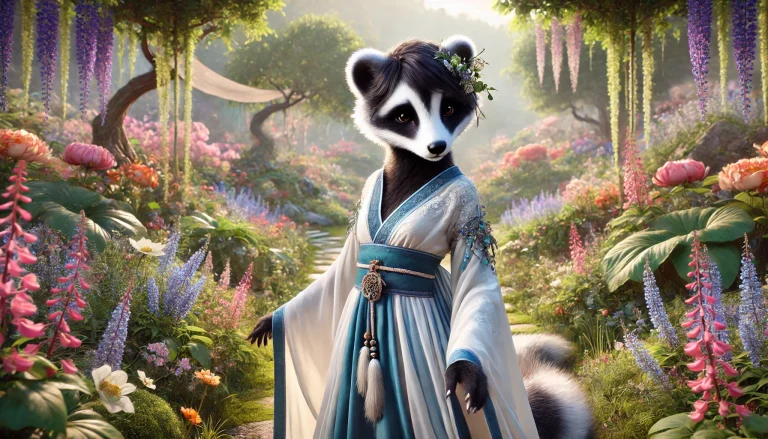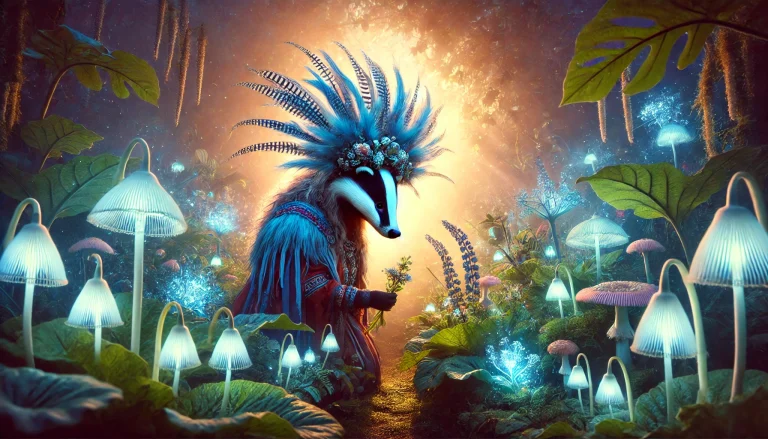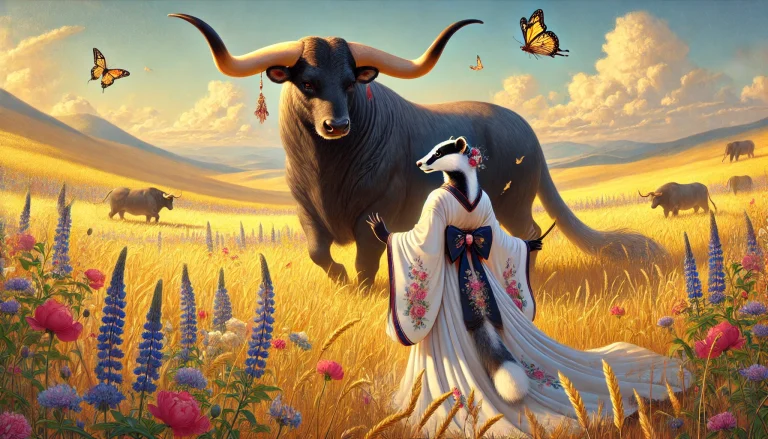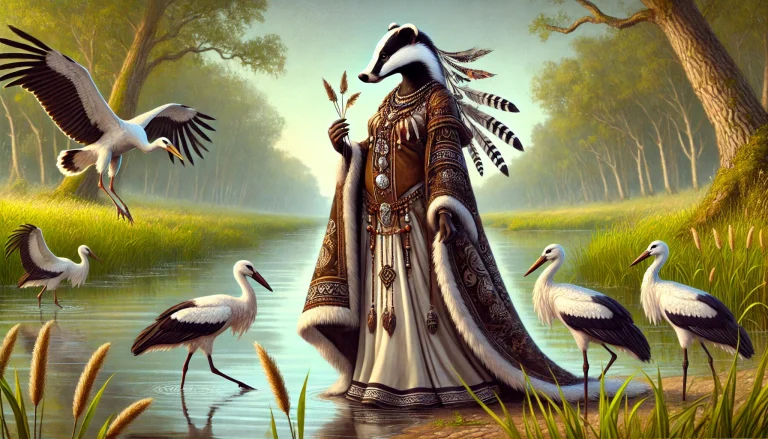
The tale "Old Man of Yunti Mountain" transports us to the traditions and wisdom of ancient China, where stories were passed down from generation to generation to teach valuable lessons about altruism, sacrifice and the connection between human beings and nature. In this tale, we meet a family who, facing extreme difficulties, embark on a journey in search of divine help to improve the lives of their community. The narrative, full of mystical and symbolic elements, highlights the power of self-sacrifice and solidarity, values deeply rooted in Chinese culture.
This tale, like many others from China's rich oral tradition, offers a reflection on the importance of putting the common good before individual interests, and how this choice can transform the world around us.
Index
Family and the Difficult Life
Once upon a time, there was a family made up of an old man, his son and his daughter. They lived in difficult times, where warm clothes and adequate lighting were non-existent. Everyone worked tirelessly, weaving bamboo baskets under the dim light of a flickering flame, which caused discomfort and vision problems.
The Wish for a Better Light
One night, while they were working, the brother expressed the wish that the moon would shine brighter and appear every night, so that they could work without suffering from the cold and darkness. Inspired by an old legend about the Mount YuntiThe father mentioned that perhaps the old gardener who lived there could help.
Brother's Journey to Mount Yunti
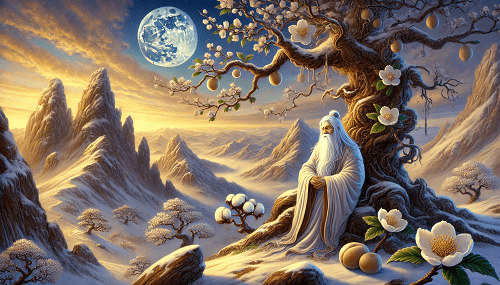
Determined to help people, the brother decided to set off in search of the Old Man of Yunti. After an arduous nine-month journey, he finally reached Mount Yunti, where he met the old gardener. Although the old man had consulted the moon, he explained that it could neither shine like the sun nor appear every night.
Brother's Sacrifice: The Tungue Tree
Moved by the young man's determination, the old man offered an alternative solution: the young man could turn into a tree that would provide oil for lamps and cotton for warm clothes. The young man accepted and, by swallowing a magic pearl, was transformed into a tung tree.
Sister's Journey
After nine months without news of her brother, her sister decided to follow suit. Arriving at Mount Yunti, she learned of her brother's fate and also asked to help the people. The old man turned her into a cotton bush, which would provide material for warm clothes.
The Return of the Father and the Future of the Community
Worried about his sons' absence, the father decided to go and meet them. When he learned of his sons' fate, he took the seeds of the tung and cotton plants home and planted them on the slopes of the mountains. Before long, the hillsides were covered with trees and bushes that provided oil and cotton in abundance, improving everyone's lives.
The Moon and the Memory of Sacrifices
Since then, on the fifteenth day of the eighth month, the moon becomes completely round and especially bright, and it is said that if you look closely, you can see an old man working on his bamboo baskets, keeping alive the memory of the family who sacrificed themselves for the good of all.
Conclusion: The Legacy of Sacrifice and Solidarity
The story of the old man from Yunti Mountain and the family who sacrificed themselves to improve the lives of their community is a powerful reminder of the importance of altruism and solidarity. Each member of the family was willing to face great difficulties and eventually become something greater, all in the name of helping those around them.
The sacrifice of the brother and sister, who became the source of warmth and light for the people, symbolizes the idea that sometimes the collective well-being requires us to give up something of ourselves. The father, in accepting the loss of his children and using their transformations for the benefit of all, exemplifies acceptance and recognition that their legacy will live on through the actions he has taken.
This story, passed down from generation to generation, continues to inspire acts of kindness and sacrifice for the common good. It teaches us that, even in the face of seemingly insurmountable obstacles, determination and the desire to help can light the way, just as the moon illuminated the cold nights after the family's sacrifice. Thus, their legacy is not lost, but perpetuated in every lamp lit and every warm garment worn.

I'm passionate about magic and spirituality, always looking for new knowledge about rituals, energies and the mystical universe. Here, I share magical practices and spiritual tips for those who want to connect more deeply with themselves and the world around them, all in a light and accessible way.